

Clinical Informatics
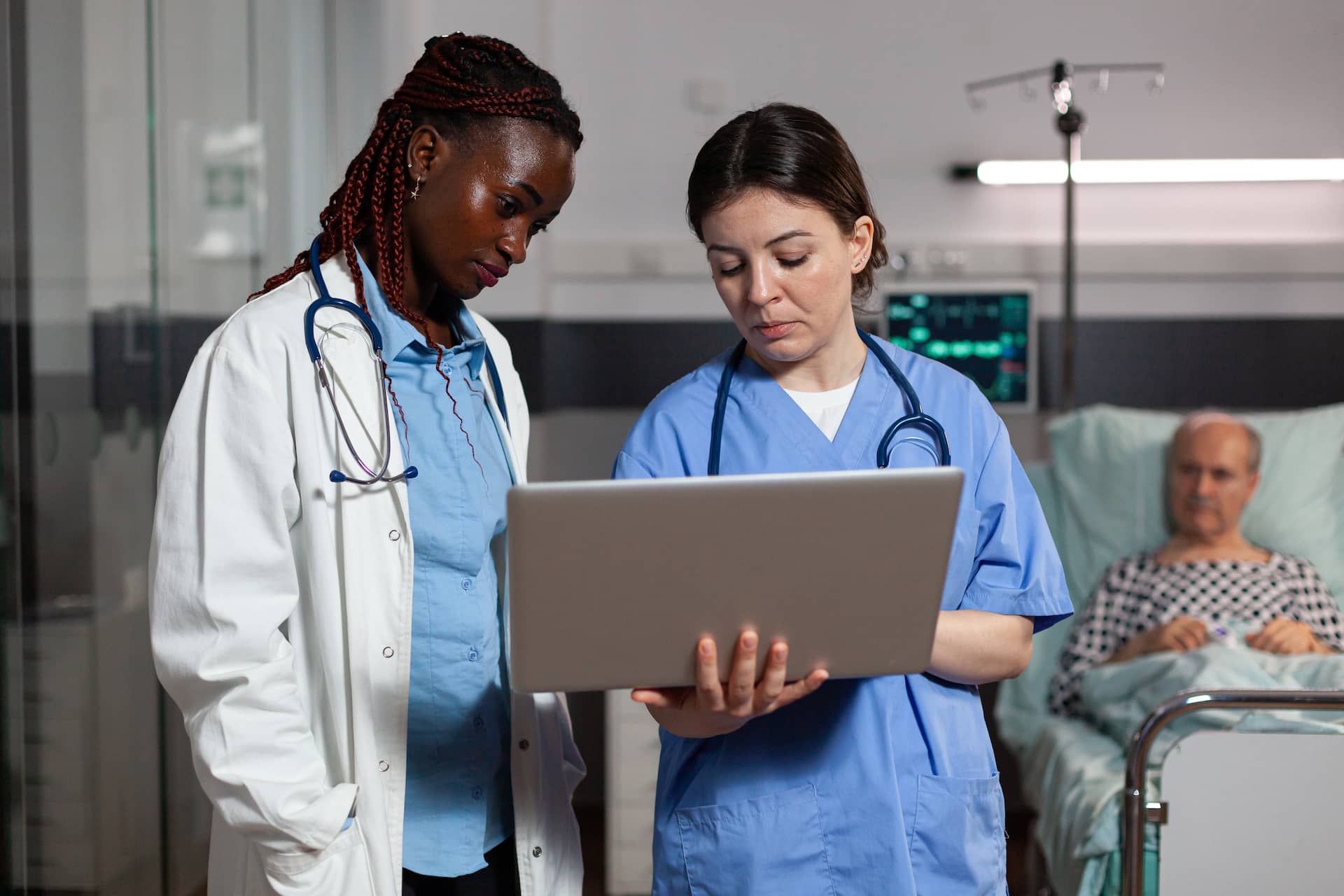
Clinical informatics connects biomedical discoveries with real-world clinical applications through leveraging both technology and data to improve patient outcomes and enhance the operational efficiency of care delivery. This concentration focuses on the practical use of informatics tools in clinical settings. Nearly 20 of our engage in a broad range of activities like clinical data access, machine learning, natural language processing, and data visualization. Additionally, new technologies like artificial intelligence are being explored to automate workflows and enhance diagnostic and treatment processes.
Clinical Research Informatics
Clinical research informatics focuses on the application of informatics to support and enhance the design, conduct, and analysis of clinical research. This domain plays a vital role in streamlining research workflows, improving data quality, and ensuring regulatory compliance. Clinical research informatics also involves the development and use of new clinically relevant systems. Furthermore, clinical research informatics enables the secondary use of clinical data, including electronic health records and patient registries to identify trends and emerging research opportunities. Nearly 20 of our fellows are actively contributing to advancements in this area.

Translational Bioinformatics
Translational bioinformatics is a rapidly evolving field where nearly 60 of our fellows are dedicated to transforming biological data into practical applications that can directly impact clinical care and patient outcomes. Specifically, IBI’s research focuses on developing and applying computational tools to analyze a variety of next-generation sequencing (NGS) data, including RNAseq, DNAseq, ChIPseq, and single-cell analyses. This field is supported by expertise in NGS algorithm development, human disease research, functional genomics, statistical genetics, and computational biology.
Public Health Informatics
Several of our fellows focus on public health informatics where they utilize information science and technology to improve population health. Specifically, this concentration focuses on the collection, management, and analysis of health data to support public health initiatives and policymaking. This field integrates data from a variety of sources like electronic health records, surveillance systems, environmental data, and social determinants of health to monitor health trends, track disease outbreaks, and guide interventions. Public health informatics also supports the development of digital tools and infrastructure that enhance communication between public health agencies, healthcare providers, and the public.


Consumer Health Informatics
Consumer health informatics focuses on empowering individuals to actively manage their health using information technology. Several of our fellows engage in this field to focus on the design, implementation, and evaluation of tools and systems like mobile health apps, patient portals, wearable devices, and telehealth platforms. These systems allow consumers to access, understand, and act on their health information. This allows for shared decision-making, health literacy, and patient engagement. It also plays a key role in promoting preventive care, chronic disease management, and wellness by delivering personalized, data-driven information directly to the consumer. As healthcare becomes increasingly digital, consumer health informatics is essential in fostering a more patient-centered and accessible health system.